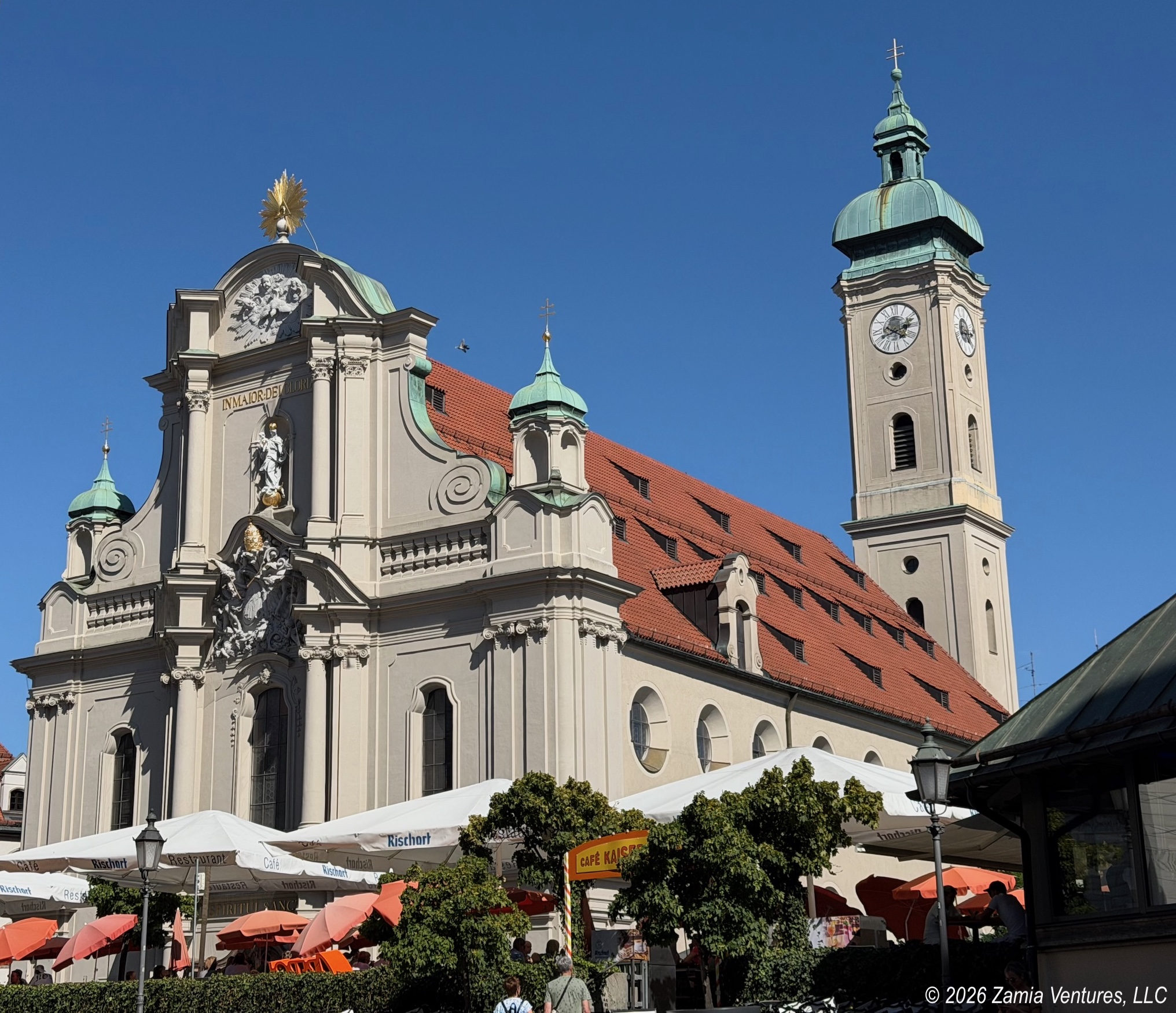
We’re off to Europe! Our first stop was the somewhat unlikely destination of Munich. While Munich is an important commercial center in Germany, its most-visited attractions — things like BMW-Welt and a completely over-the-top Oktoberfest — are not exactly our jam. Add to that the fact that the majority of Munich was destroyed by bombs in World War II, including 90% of the Altstadt (old city), and it has never been near the top of our bucket list. But Munich is a major commercial and transportation hub — a feature it shares with Charlotte, NC, another place we have never visited for tourism purposes despite living only an hour away. And what Munich and Charlotte share, crucially, is direct flights to each other. So we started our European adventure in Munich, and despite my prejudices we found some pretty excellent things to do.
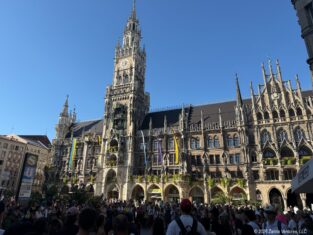
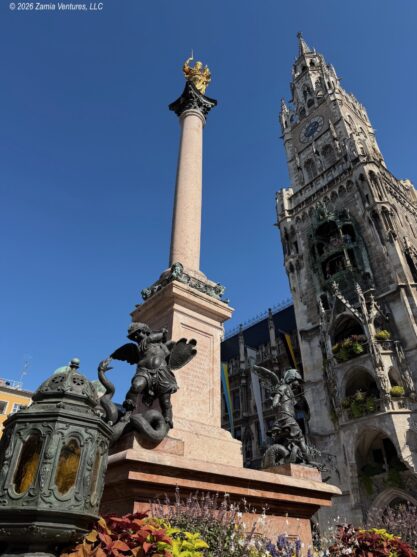
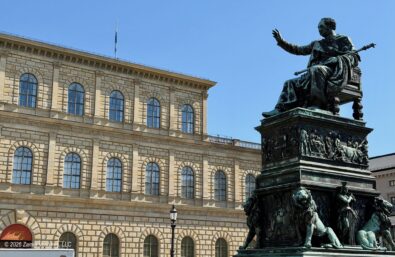
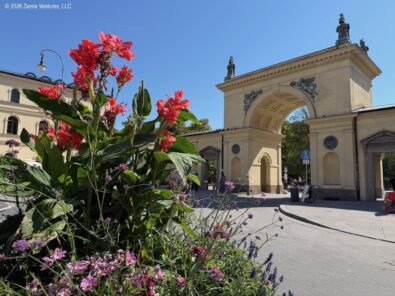
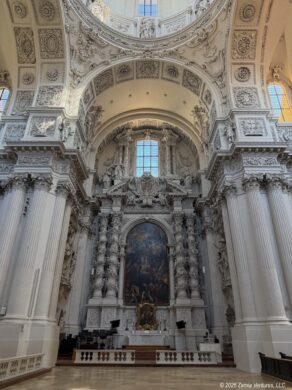
After an overnight flight, we made our way from the very distant airport into the city by train and dropped our bags at our hotel (Motel One Sendlinger Tor). We immediately set off for a self-guided tour of the reconstructed Altstadt. Highlights included various richly-decorated churches, easy-to-navigate pedestrian zones, busy plazas, and charming street views blending historic buildings with modern construction.
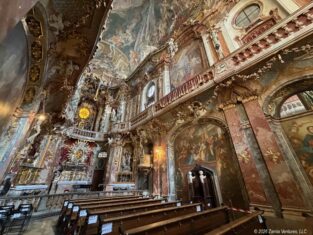
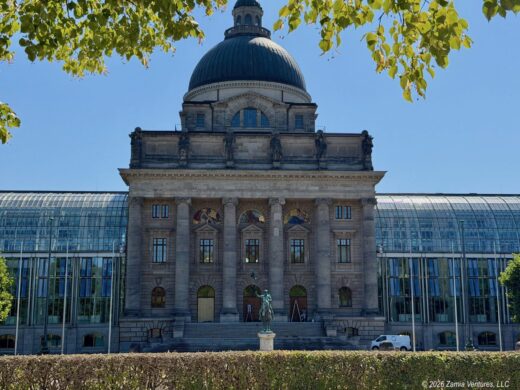
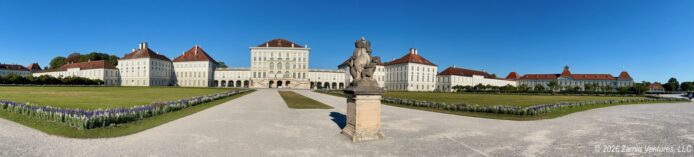
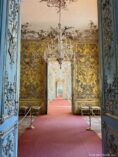
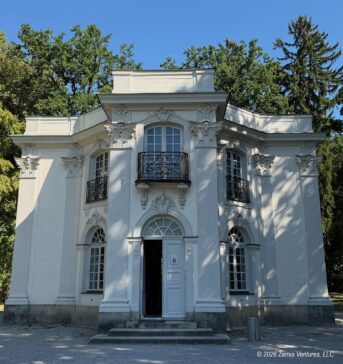
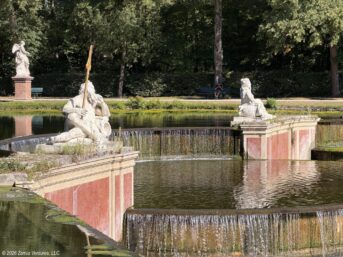
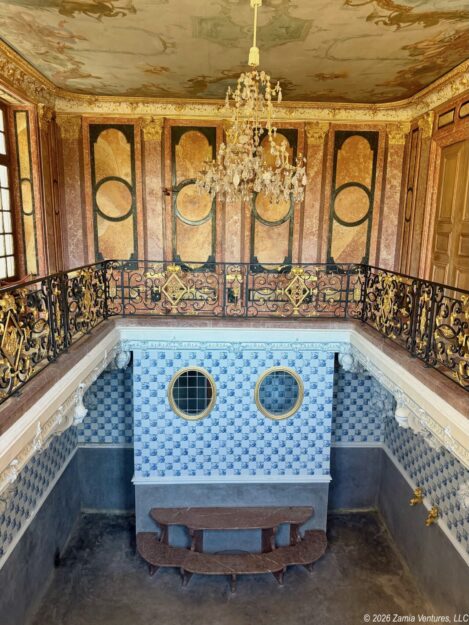
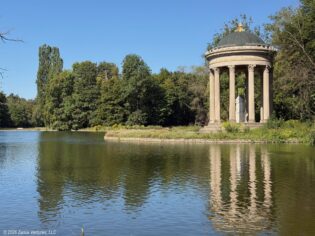
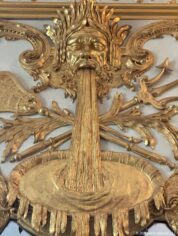
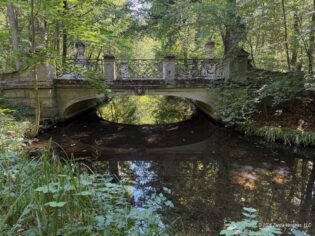
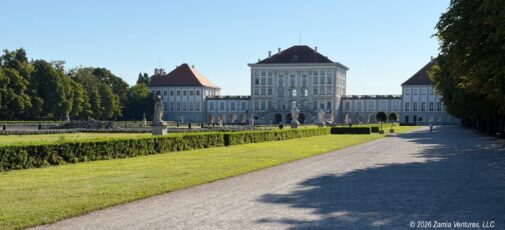
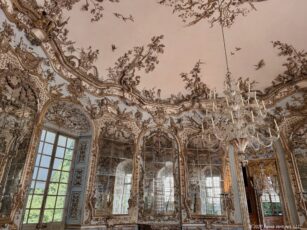
On day two, we once again took advantage of excellent public transportation to head to Nymphenburg Palace, a summer house of the Wittelsbach family (Dukes and Electors of Bavaria). Knowing that we have plenty of palaces on the menu in the weeks ahead, we elected just to visit the so-called Park Palaces (the Amalienburg, the Badenburg, the Pagodenburg, and the Magdalenenklause). These small structures — which are actually quite large and elaborate by the standards of non-royals — were built as destinations on the grounds for contemplation, for amusement, or for a “rustic” overnight visit. The Amalienburg “hunting lodge” located a few steps from the main palace is considered a masterpiece of rococo design, which is basically the opposite of our modern/minimalist/IKEA aesthetic. It’s a lot, but impressive in its own way. Also notable was the Badenburg, described by Wikipedia as “the first major building in Europe for centuries that was exclusively for the purpose of enjoying a comfortable bathroom.” Containing a huge pool-size bathing space with hot and cold running water — a real engineering accomplishment in the 18th century — this building nicely illustrates the idea that “it’s good to be the king.” The little park palaces gave us just enough exposure to architecture and design without overwhelming us with the rococo-ness of it all, and we truly loved strolling the extensive grounds with both formal gardens and a naturalistic forest environment.
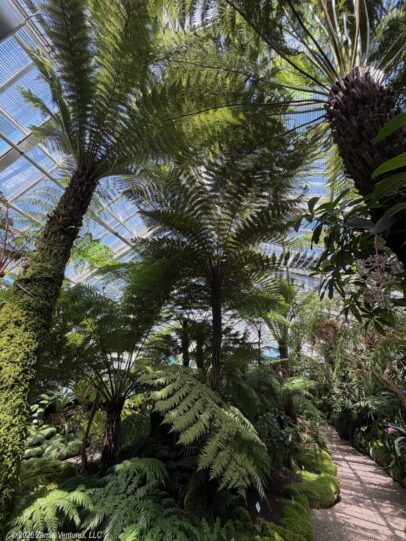
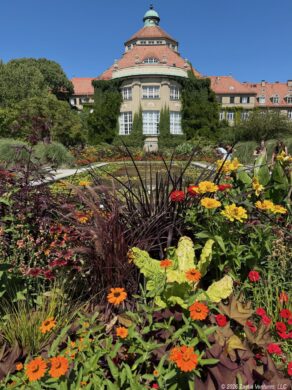
We finished the day at the adjacent Botanical Garden Munich-Nymphenburg, which we mainly selected because we never go wrong with visits to botanical gardens. This thesis was once again proven to be accurate, and we were blown away by the scope of the collections and the unique ways the plants were presented. The conservatory structure was subdivided into a dozen separate halls with different climates, each absolutely packed with material, often showing off species we’ve never seen attempted at any other botanical garden. The Victoria Hall contains a huge pool of lily pads, including the massive Victoria amazonica species, but the walls and ceilings were just dripping with Nepenthes (tropical pitcher plants), gingers, and plenty of condensation. A completely separate hall features underwater aquatic plants presented in large fish tanks with mysteriously algae-free glass. The tree fern hall and cycad hall wowed us because we love those species, but the extraordinarily high central palm house (with a Washingtonia!!) truly puts this glass house complex in a class by itself.
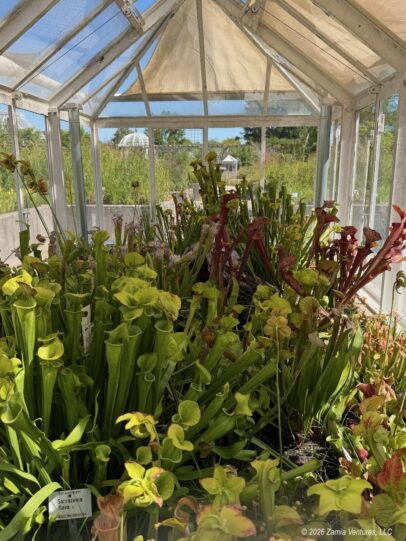
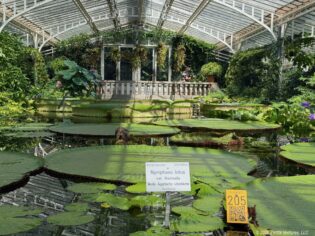
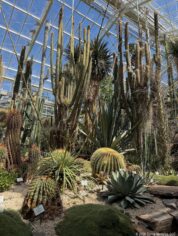
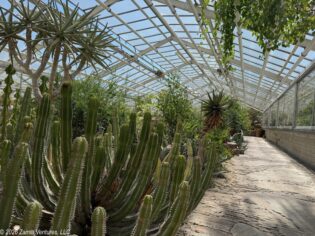
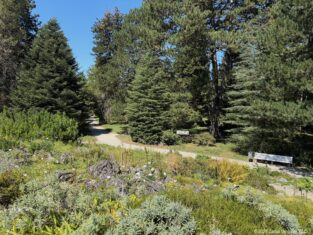
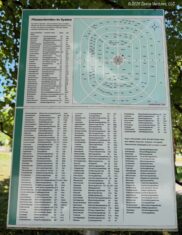
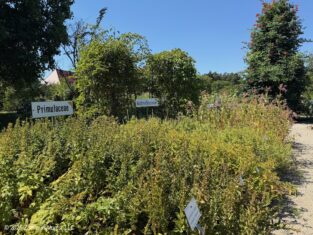
The outdoor gardens were bursting with life, too. A garden devoted to “useful plants” (medicines, spices, food crops, dyes) demonstrated everything from grains from around the world (our first time seeing quinoa growing!) to poisonous plants like digitalis (I guess liability standards are a little different in Germany). The alpine garden and adjacent arboretum contained a huge variety of species from other continents and other climates. One of the more unique spots for us was a large “System” garden, featuring thousands of plants arranged according to family under the Linneaus taxonomy. This struck us as a very German way to organize a garden, but it turns out to be fairly common for gardens with a strong focus on research. Overall, the breadth of the offerings was almost too much to comprehend in a half-day visit. What a treasure!
Food and Drink
While in Munich we mostly ate street food, with several stops at the outdoor Viktualienmarkt right in the historic city center for beer and sausages. We also enjoyed excellent hand-pulled noodles at Max Beef Noodles, a hole-in-the-wall venue located around the corner from our hotel. Despite the name, no English was spoken here, but even my poor German skills can handle “nummer 20 und nummer 23.” Plus there’s always pointing at the menu.
Despite my initial lack of enthusiasm, we ended up enjoying Munich quite a bit. The rest of our time in Europe will be spent in the heart of the former Habsburg Empire. Next stop, Innsbruck!





I totally agree with your not wanting to be overwhelmed by too much rococo-ness LOL or too much architecture at all. The palace grounds — especially the forest-y areas — and that arboretum, which was like a zoo for plants, would have been my favorites as well. Your pictures made me doubly appreciate how many plant species we’ve seen in the wild on our travels, as well as lament the over-abundance of now-naturalized foxglove here in Washington (not so much on the peninsula, but our old property and the east side of the Sound is loaded with them.) Looking forward to your Innsbruck post, but if there are more architecture/people photos than hiking/scenery pics, I will never forgive you! 😂
We actually like architecture a lot, so be prepared for plenty of discussion of that when we get to Vienna! But the immense scale and the intense embellishment of these palaces strikes us as gaudy and a little ridiculous. Given the 250th this year, we’ve already had plenty of discussions during this trip about the contrast between the lifestyle of European aristocrats and the American colonists in the mid-18th century. My small-R republican reaction is basically “no wonder we split from these fops.”
That being said, the inheritance of incredible cultural institutions and (now-)public parks is a great legacy for the modern inhabitants of these cities. We greatly enjoyed the “Central Park of Munich” and wouldn’t change a thing about our brief itinerary in the city. (Might have to change some things about our Innsbruck itinerary to keep the readers happy, however.)
I would never in a million years expect to see a direct flight from Munich to Charlotte. Very odd. But also – very convenient for you! And I like that you planned the whole trip around that. I will often see where we can fly direct for cheap and then go from there.
In any case, I love what you found in boring old Munich – a nice mix of history, architecture, and nature. (It’s crazy to think of just how much of all those things have been lost because humans can’t stop killing each other and destroying things.)
Looking forward to the rest of your trip! We’ve got eyes on an Austria/Hungary trip in a couple months and I enjoy stealing your research. 🙂
As you know, the train system is so good in Europe that getting to any reasonably close large city works as a starting point. The direct flights were absolutely worth starting at a point that wasn’t on our original wish list, and as usual we were pleasantly surprised by what we experienced.
An interesting topic of discussion for us has been the concept of post-war reconstruction of historic buildings. Many of the older-looking buildings in the photos are almost entirely post-war creations, built with modern materials to closely resemble the originals. On the one hand, I guess Germany had plenty of experience with rebuilding after centuries of religious and political warfare leading up to WWII, so it was just another round. On the other hand, we’ve been interested to see medieval churches rebuilt to include modern art and other innovations that better connect the church to modern people. There are merits to both approaches, I think.
I hope to provide you with plenty of useful ideas to steal for your upcoming trip! 😁
Your comment about the over-the-top “rococo-ness” cracked me up. It is definitely the opposite of your taste in decor. I also enjoy architecture and design, and it’s always fun to see different styles. However, my thought when I visit places like that is how much I would hate dusting all that crap. I absolutely would LOVE wandering that botanical garden. The pitcher plants looked incredible!
Even though we don’t love the overall style, we appreciate the craftsmanship that goes into making these elaborate and intricate decorative schemes. I mean, we did suffer through building our own house once. 🙂 But as an American and a generally thrifty person it’s hard for me to avoid thinking, “Who needs this? And more important, is this the best use of public resources?” Anyhow, we’ve been really happy to see how these formerly private (royal/imperial) properties have turned into incredible public parks, which are real treasures in their cities. These former royal gardens are all basically Central Park-level park amenities for their cities!